Bank Investigator Scam — How It Works and What to Do
Your bank will never ask you to move money to keep it safe — no matter how official the caller sounds
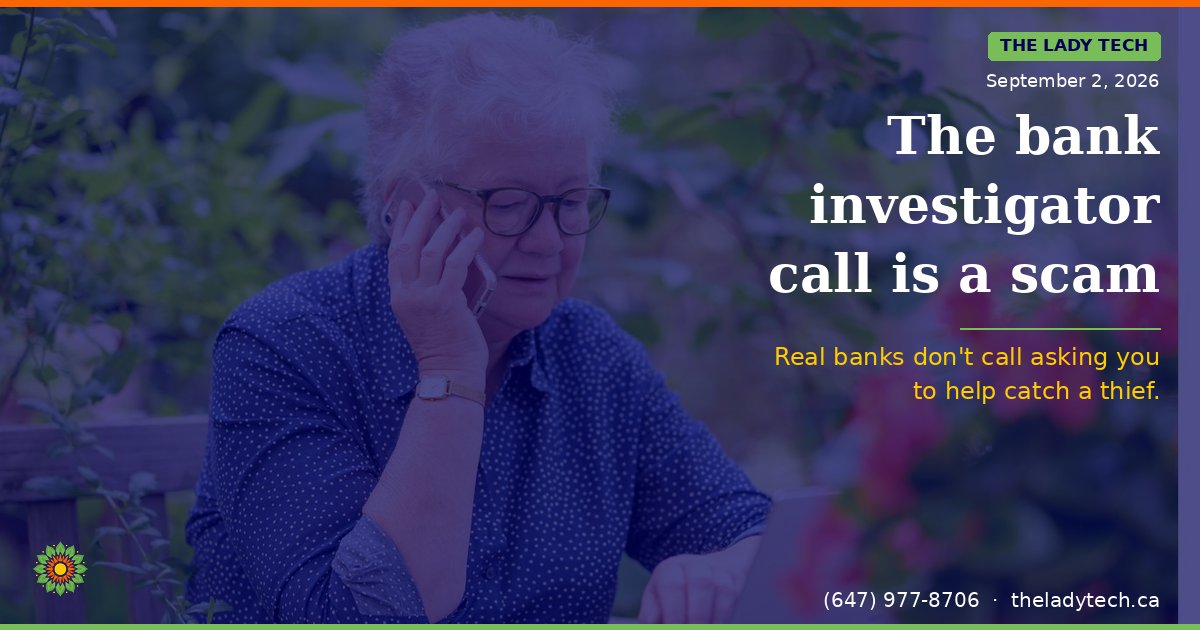
The phone rings. The call display shows your bank’s name — or a number that looks like it. The caller identifies themselves as a fraud investigator and says there’s been suspicious activity on your account. They have your name, sometimes even the last four digits of your card. They sound professional, calm, and concerned.
Then they tell you they need your help to catch the fraudster — and that you must keep this call secret from your family.
This is a scam. And it’s one of the most convincing ones in circulation right now.
How the Scam Works
⚠ Watch for this pattern
The setup: A caller claims to be from your bank’s fraud department — or sometimes a police officer working with the bank. They say your account has been compromised and they’re trying to protect your money.
The ask: They need you to help by withdrawing cash, transferring money to a “safe” holding account, or handing your bank card to a courier they’ll send to your door. Sometimes they ask for your PIN to “verify” the account.
The secrecy: They tell you not to discuss this with family or branch staff — claiming it’s part of an active investigation. This is designed to cut you off from anyone who might slow you down.
The urgency: You’re told the window to protect your money is closing fast. Every instinct to pause and think is met with pressure to act immediately.
The caller may stay on the line for hours. They use social engineering to keep you in a state of fear and compliance — and to prevent you from making the one call that would end the scam immediately: calling your bank directly.
What Your Real Bank Will Never Do
- Ask you to withdraw cash and hand it to a courier
- Ask you to transfer money to a “safe” account to protect it
- Ask for your PIN over the phone — ever
- Send someone to your door to collect your bank card
- Ask you to keep the call secret from your family or branch staff
- Tell you not to contact the bank directly to verify
If any of these happen, you are not speaking with your bank.
What to Do If You Get This Call
Hang up
You do not owe the caller an explanation or a goodbye. Simply hang up. No legitimate bank or police agency will be offended — and a scammer will try to talk you out of it.
Wait before calling back — or use a different phone
Scammers use a technique called a held line: when you hang up and immediately dial your bank, they stay connected on your line and intercept your call. You think you’re speaking with your bank — you’re still speaking with them. Wait at least five minutes after hanging up, or use a different phone entirely, before calling your bank.
Call your bank using the number on the back of your card
Don’t use a number the caller gave you. Don’t search for a number online in a hurry. The number on the back of your bank card goes directly to your bank’s verified fraud line. Tell them exactly what happened.
Report to the Canadian Anti-Fraud Centre
Contact the CAFC at 1-888-495-8501 or at antifraudcentre-centreantifraude.ca. Your report helps protect other Canadians from the same call.
⚠ Never hand anything to a stranger at your door
In some versions of this scam, a courier is sent to your home to collect cash or your bank card. No bank, police service, or government agency will ever do this. If someone appears at your door asking for your card or cash — regardless of what identification they show — do not open the door and call 911.
If You’ve Already Sent Money or Handed Over Your Card
If this has happened, act immediately — the sooner you contact your bank, the more options they have:
- Call your bank right away using the number on the back of your card. Explain what happened. Ask them to freeze your account and block your card.
- If you handed over your card, report it stolen. Your bank can cancel it and issue a new one.
- If you transferred money, your bank may be able to stop or recall the transfer if you act quickly enough. Time matters.
- Report to the CAFC at 1-888-495-8501. You can also file a report with your local police.
Being targeted by this scam is not a sign of gullibility. These callers are professionals. The scripts they use are refined through thousands of calls. Falling for a well-constructed lie is a human response — not a personal failing.
✓ Tell someone you trust about this scam now
The most effective protection against this scam is knowing it exists before the call comes. Share this article with a family member, a neighbour, or a friend. The more people who recognize this pattern, the harder it becomes to pull off.
⚠ Disclaimer
This article is for general information and awareness only. It is not a substitute for advice from your bank or law enforcement. If you believe you have been targeted by fraud, contact your bank immediately using the number on the back of your card. Information was current as of September 2, 2026.
In-home visits · Computers, phones & tablets · Software only — hardware repairs referred out · Service agreement signed before we begin · I am not a certified technician; I provide support based on experience and knowledge · Canadian Anti-Fraud Centre 1-888-495-8501